

Erasmus+ English & Project Based Learning
Erasmus+ English & Project Based Learning
September 15-26, 2025, Limassol, Cyprus
Participant: Magdalena Tomaszewska
Aim: to strengthen my professional practice by combining targeted English language development with high-impact training in Project Based Learning (PBL), so I can design and deliver student-centred, inquiry-driven learning experiences that build key 21st-century skills (collaboration, communication, critical thinking and creativity).
I took part in a two-week Erasmus+ mobility in Limassol, Cyprus, combining an English language course with a Project Based Learning (PBL) module. The programme was intensive and hands-on (approx. 45 contact hours) and was designed to develop language skills while building strong competences in planning and implementing classroom projects.
The English component supported the practical language I need as a teacher: clear classroom communication, precise instructions, working with texts and sources, and the language required to discuss tasks, evidence and student outcomes (speaking, listening, reading, writing and mediation). The lessons used task-based and collaborative approaches, focused on practical classroom activities.
For me, the core value of the mobility was the PBL module. We explored the key concepts of PBL and the essential project design elements, and then worked through the full process of creating a project experience: planning activities, managing pair and group work, and selecting strategies to monitor learning and assess students in a PBL environment. We also addressed 21st-century skills (creativity, collaboration, critical thinking and communication), integrating language skills within projects, and using technology and web tools in a purposeful way. By the end of the course, I took away a working project model that I can adapt to my context, including science/life sciences/STEM learning.
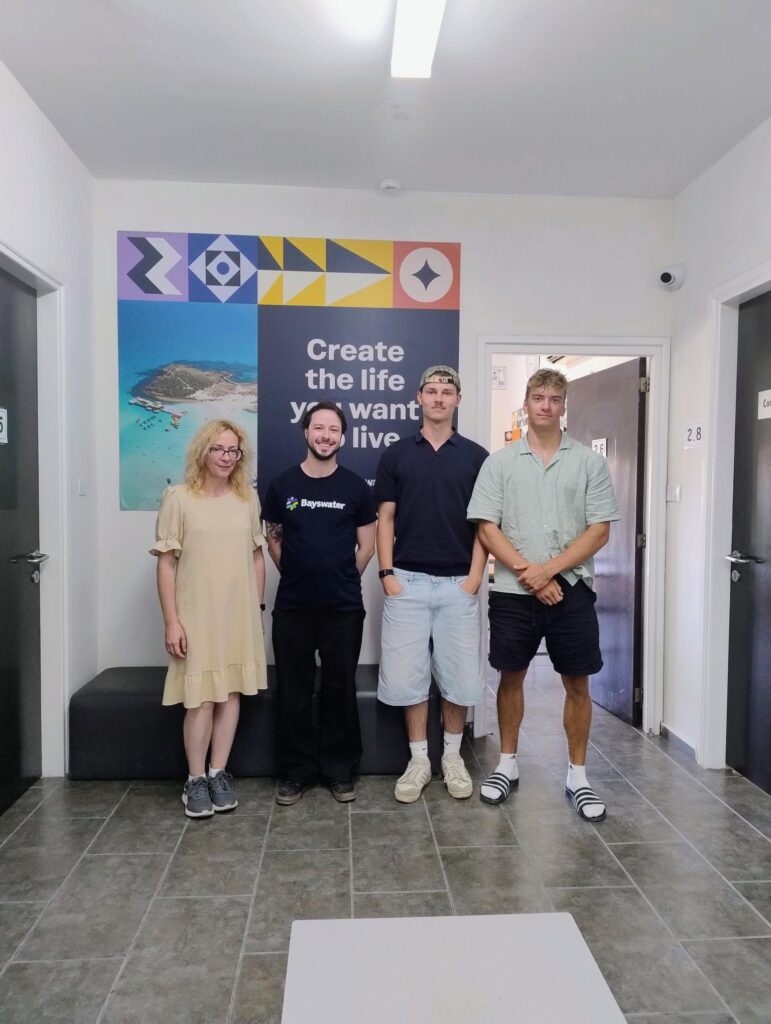
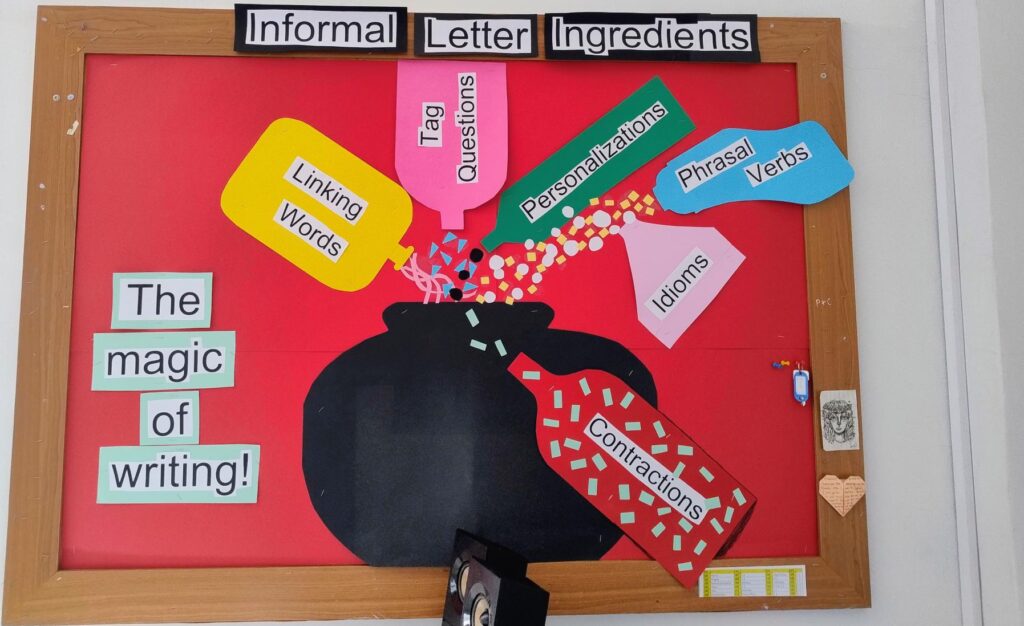
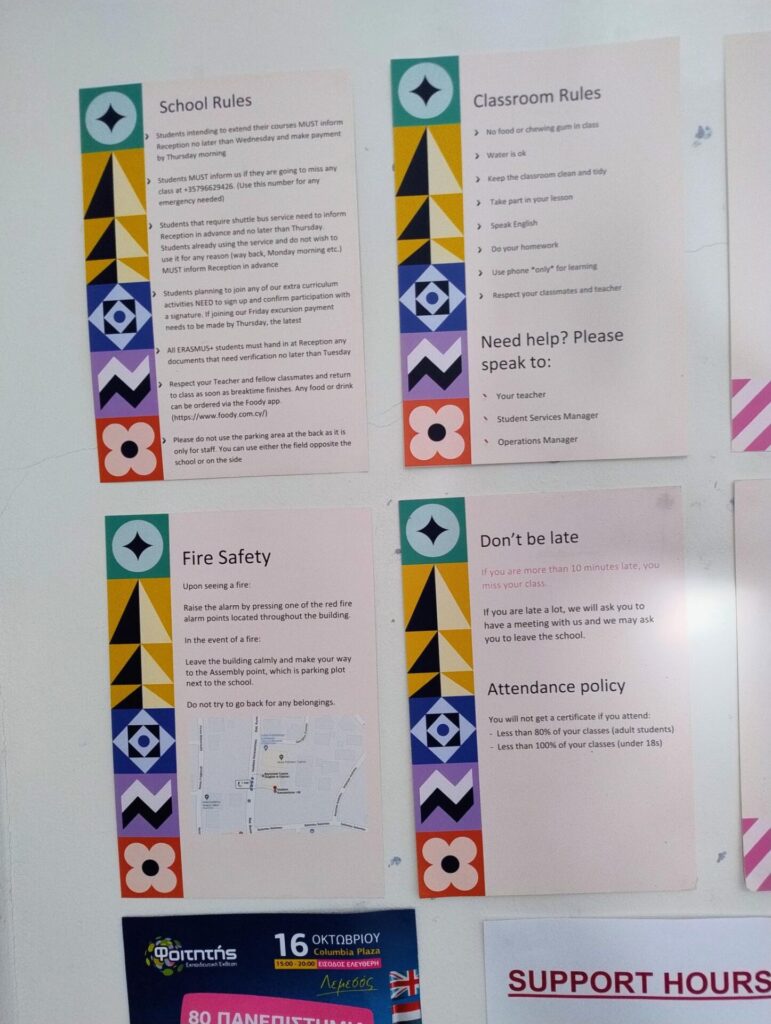
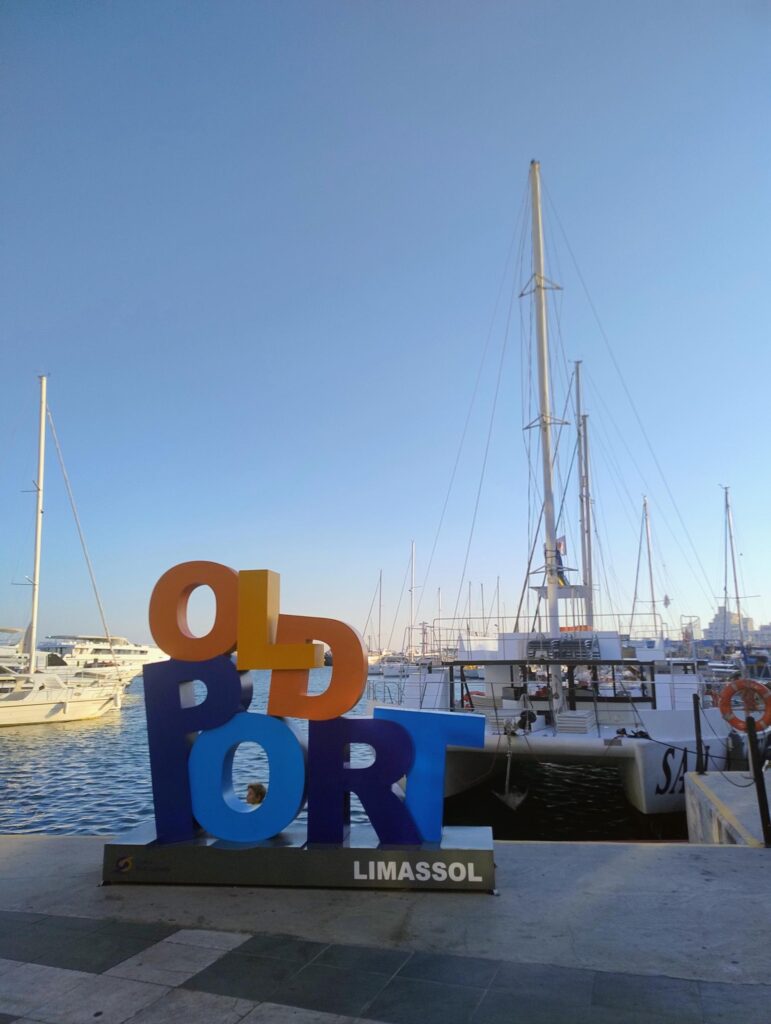
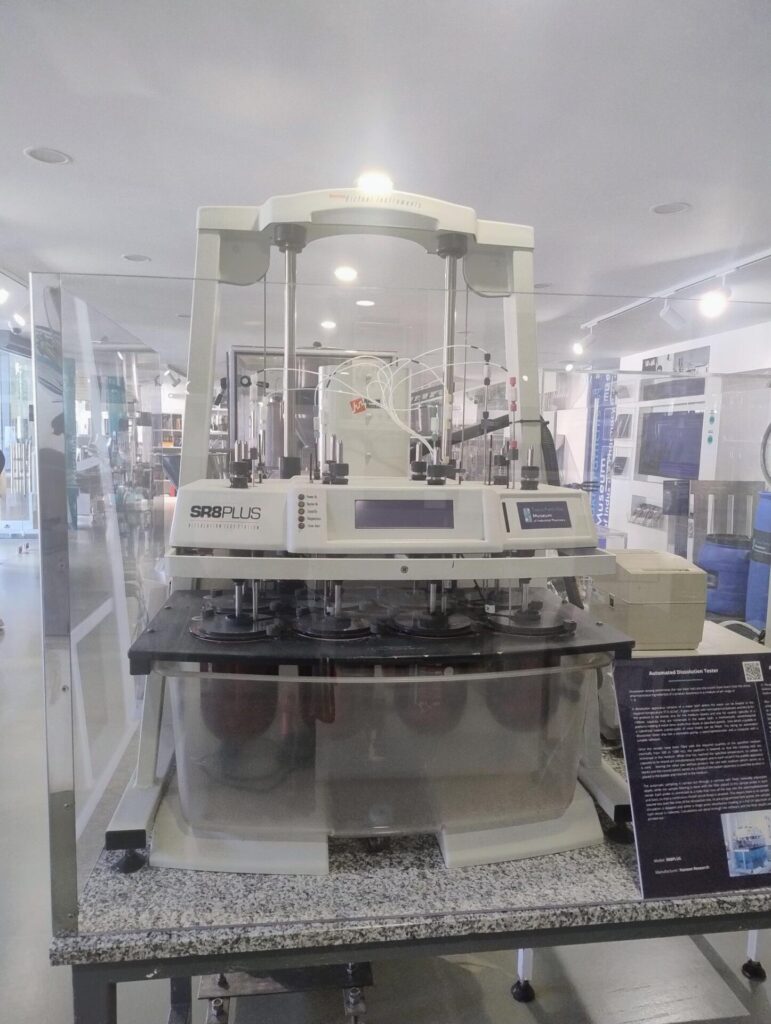
Alongside the course, the mobility was a rich intercultural experience. I explored Limassol and nearby areas and learned about Cyprus’ complex history and heritage—from archaeological sites, through cultural museums (including collections in old castles and a costume/clothing museum), to a unique museum of industrial pharmacy.
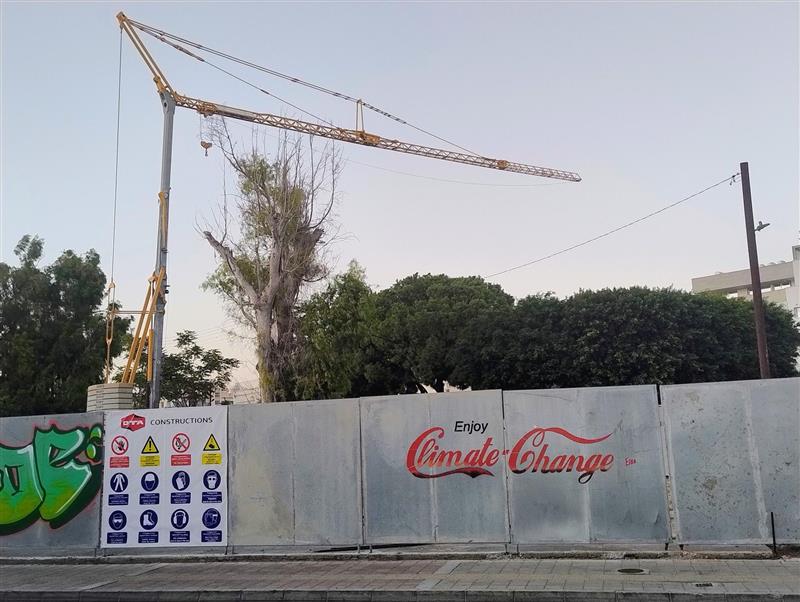
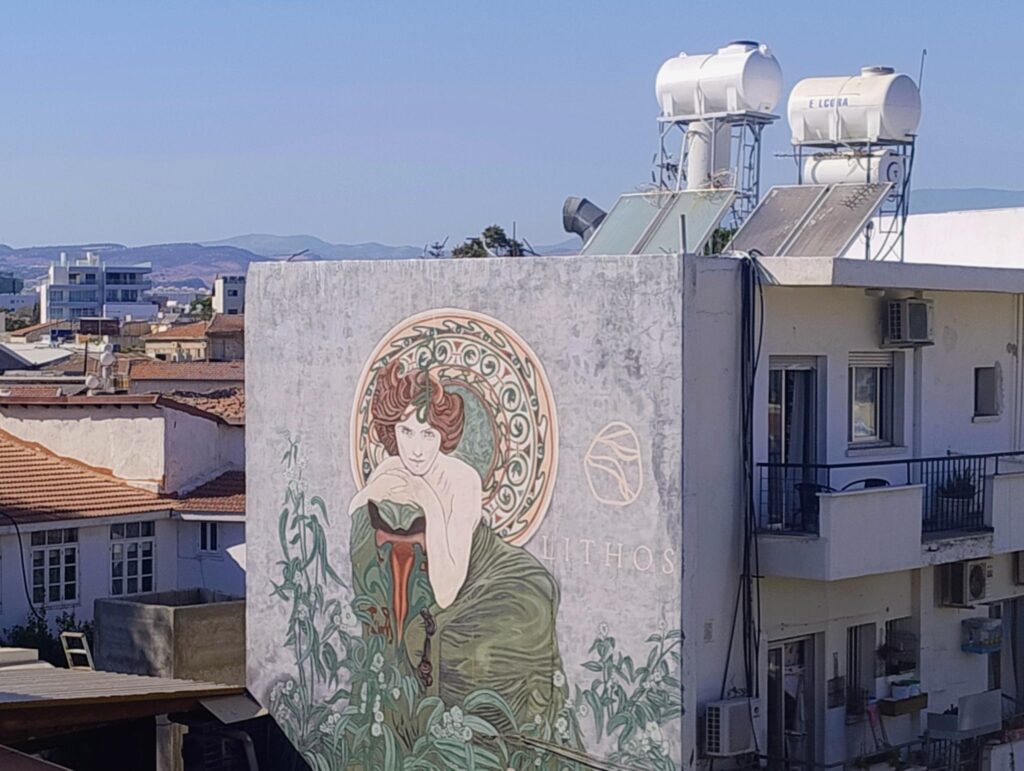
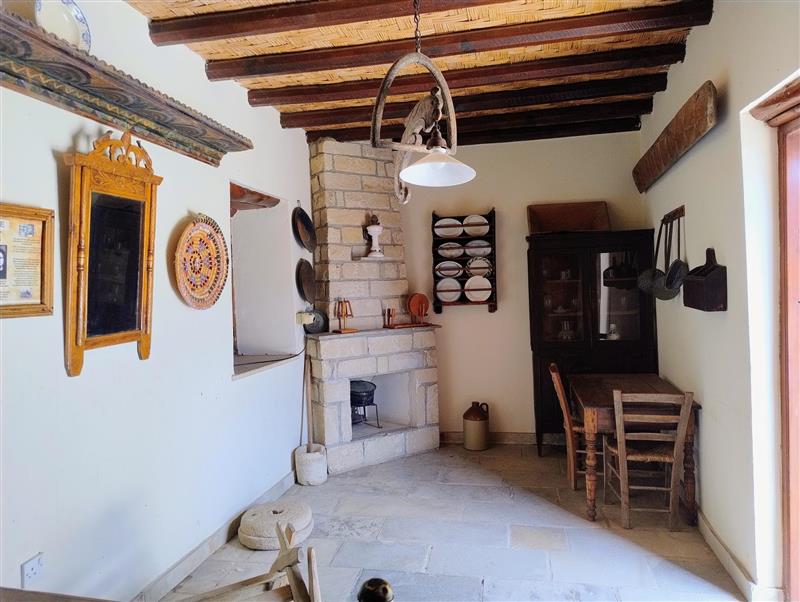
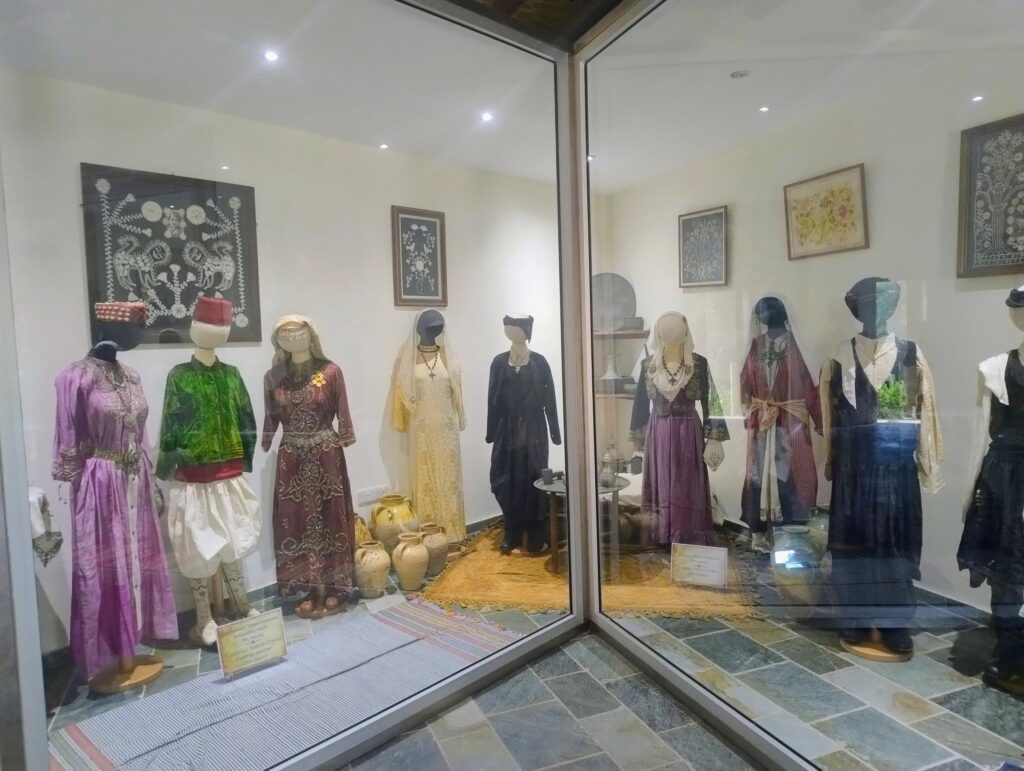
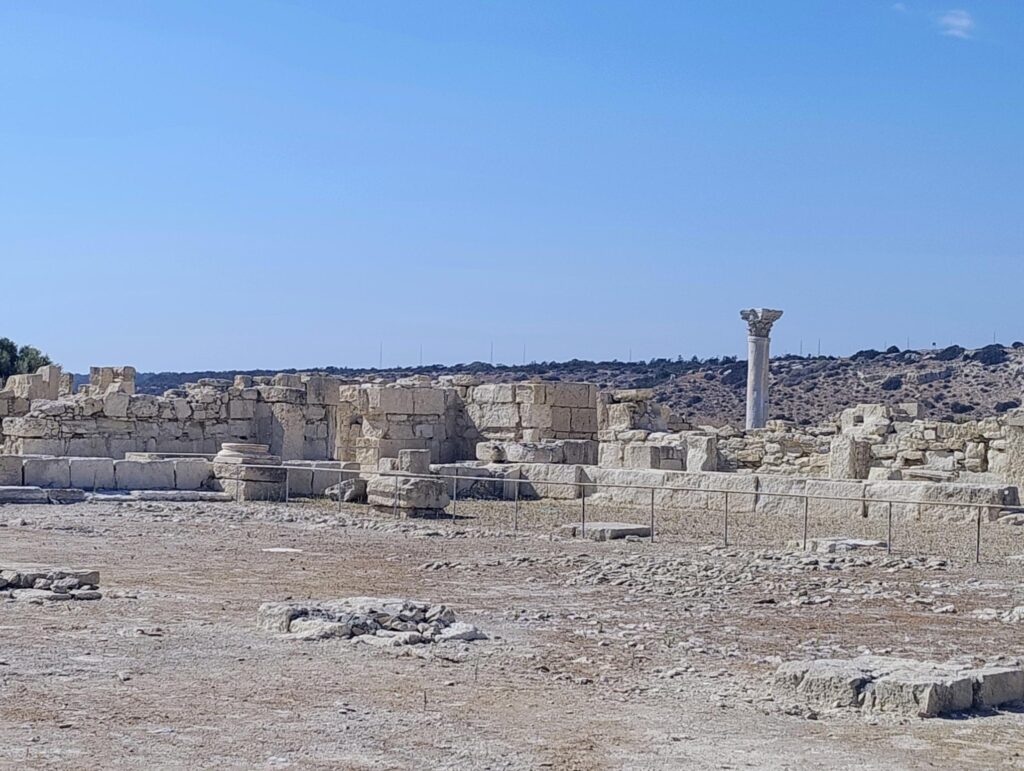
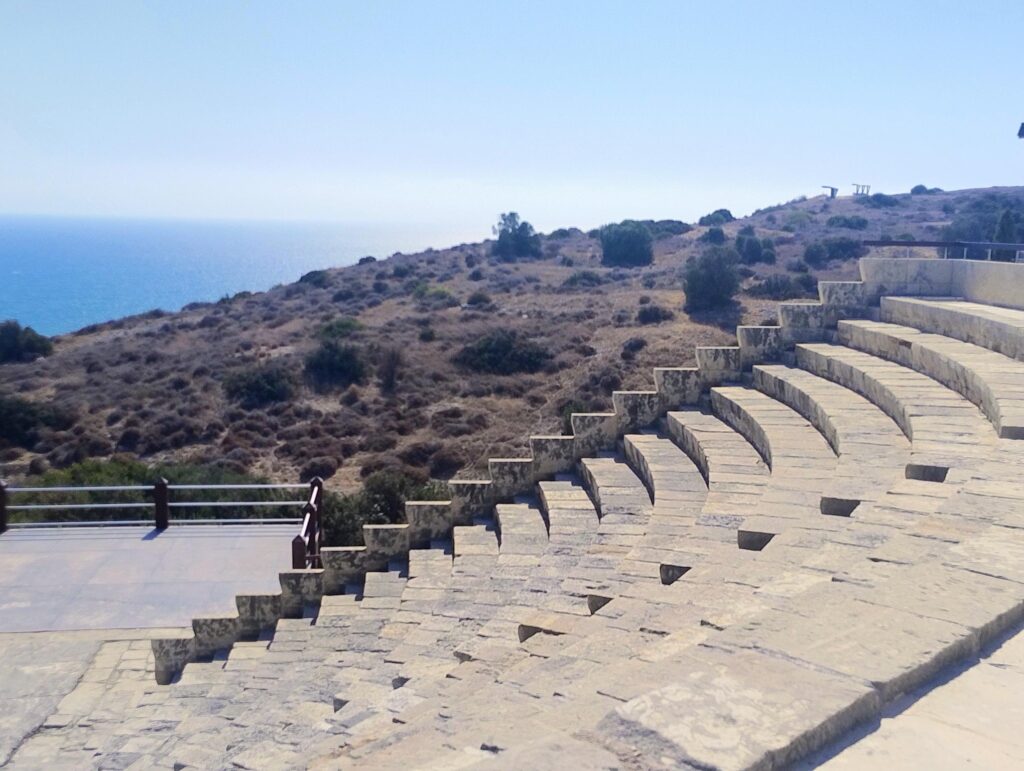
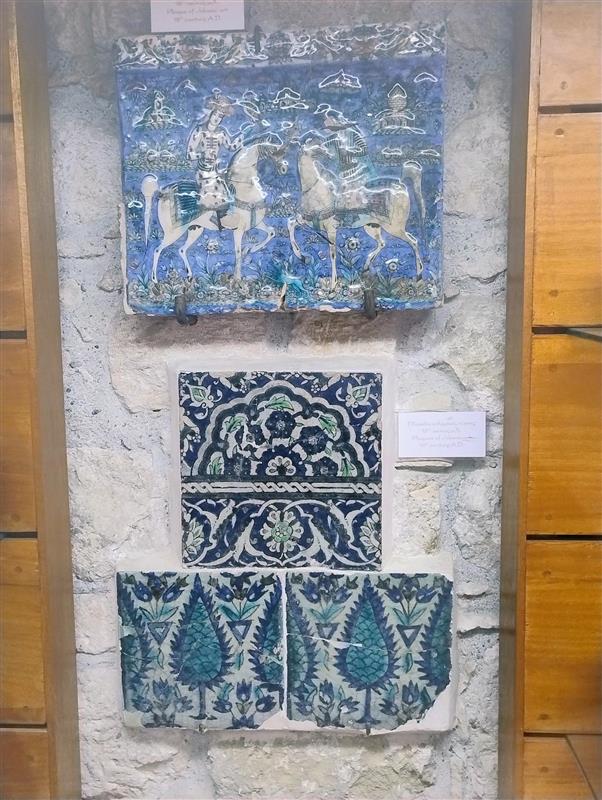
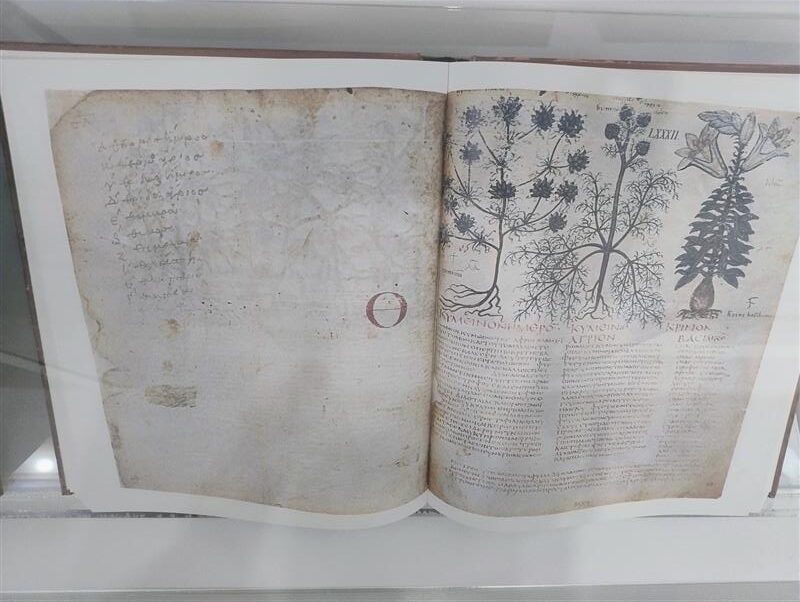
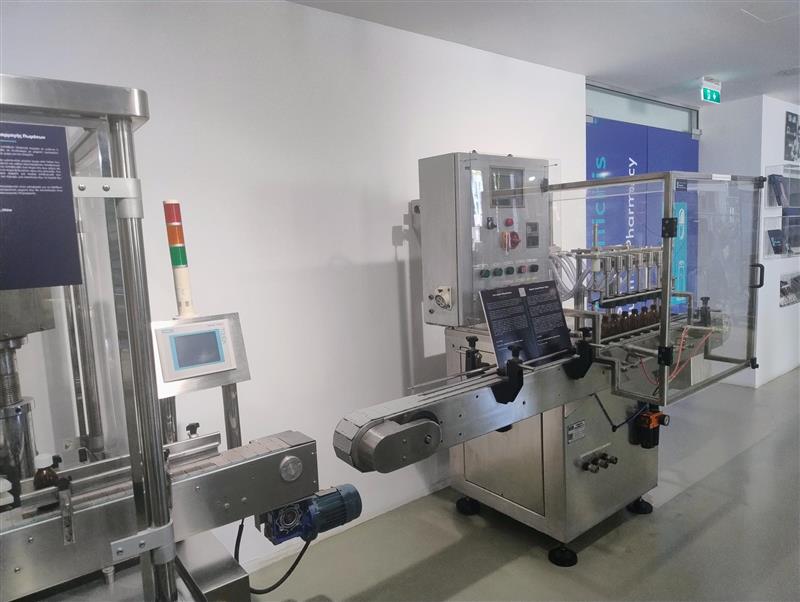
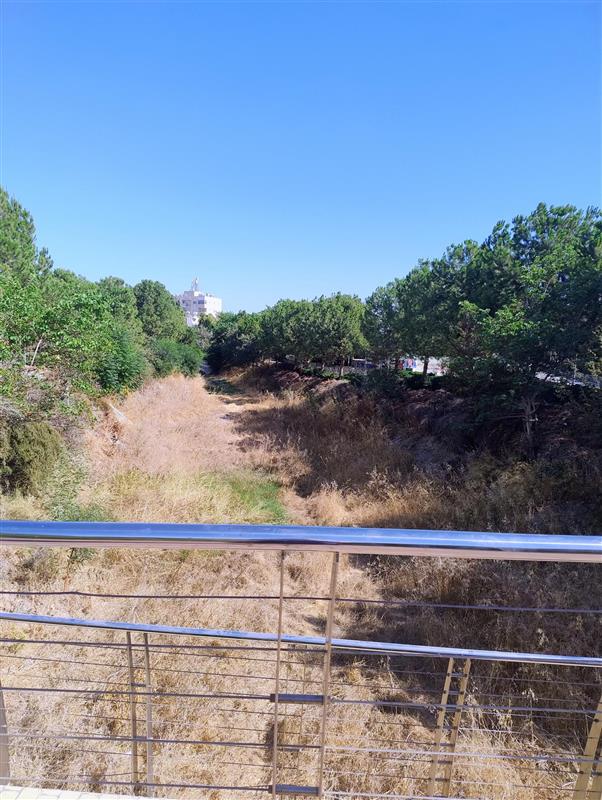
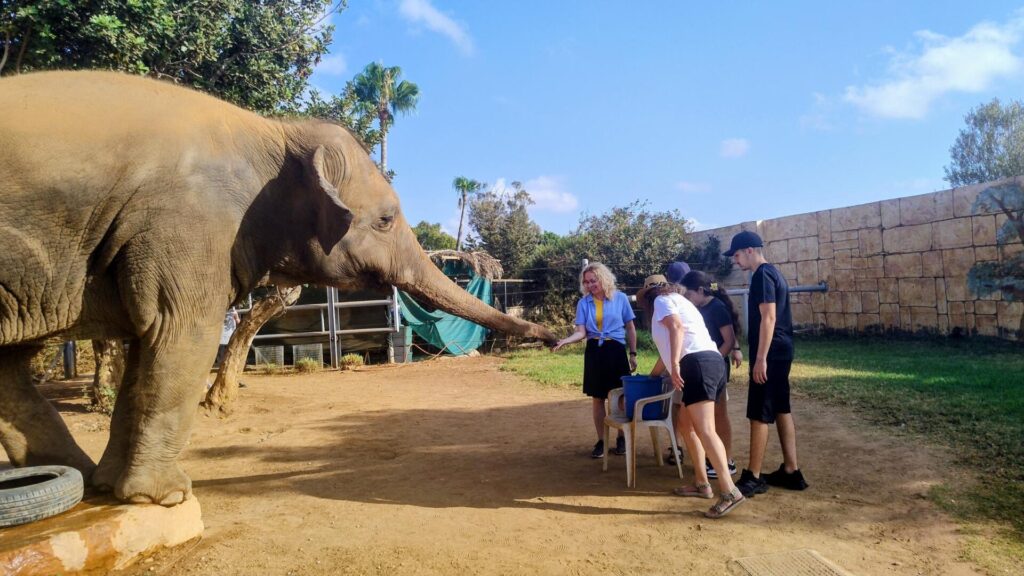
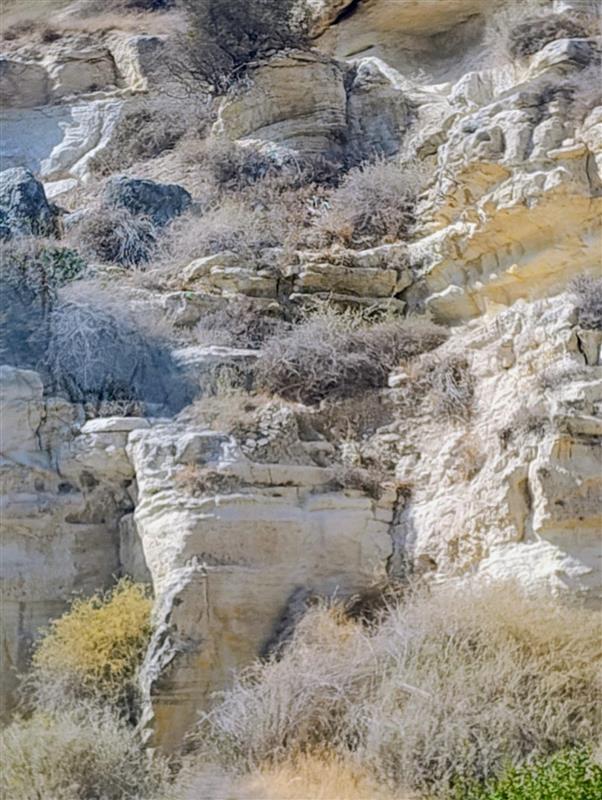
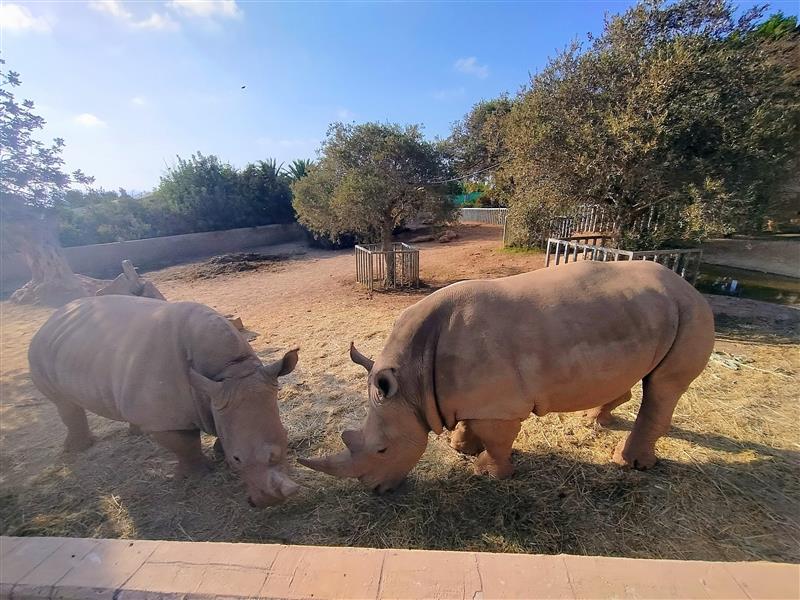
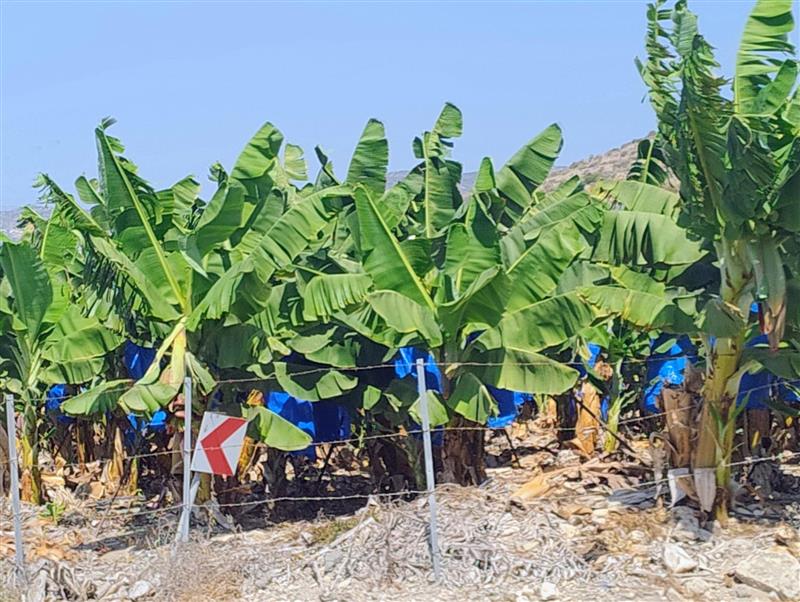
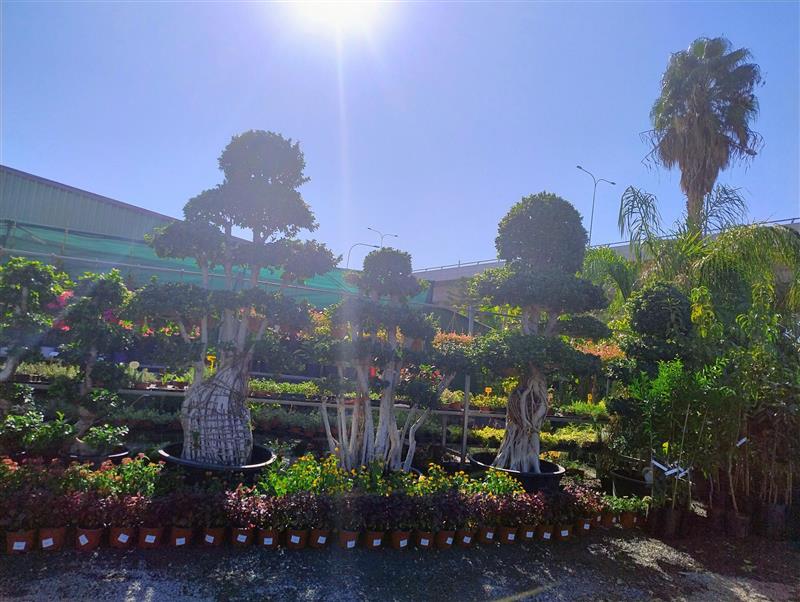
While walking around the city, I also noticed visible signs of water scarcity (e.g., dried riverbeds and rooftop water storage solutions). I visited botanical gardens and zoological gardens as well, documenting observations with photos. These experiences will help me design more authentic projects that connect learning with local culture, nature and real-world environmental challenges.